How to Keep Your Nicotine Pouches Fresh and Effective
@getnicotinepouchstoragelab
Nicotine pouches have become a popular choice for people who want a discreet and convenient way to enjoy nicotine without the smoke or vapour. Unlike traditional tobacco products, pouches are small, dry or moist sachets that you place under your lip. They release nicotine gradually, and the experience depends a lot on the condition of the pouch itself. If a pouch has dried out, lost its moisture balance, or been exposed to heat, the flavour and nicotine release can change noticeably. That is why getting the basics of storage right matters more than many people realise.
Why Storage Conditions Matter
A nicotine pouch is a carefully engineered product. The manufacturer controls the moisture content, the pH level, and the flavour profile so that each pouch delivers a consistent experience. Once you open a can or a pouch pack, those properties start to shift. Air, temperature, humidity, and light all work to alter the pouch. Moisture can evaporate or condense, flavours can fade, and the pouch itself can become brittle or sticky. The result is a product that does not perform as intended. Good storage slows down these changes and keeps the product closer to its original state for longer.
Temperature and Humidity: The Two Biggest Factors
Heat is one of the fastest ways to ruin a pouch. If you leave a can in a car on a warm day, or near a radiator, the internal temperature can rise well above what the product was designed for. The moisture inside the pouch starts to evaporate, and the nicotine can become less stable. At the same time, the pouch fabric may dry out, making it feel rough or papery under the lip. Cold is less damaging, but extreme cold can cause condensation when the pack warms up again. That moisture can lead to clumping or mould in rare cases. The sweet spot is a cool, dry place, somewhere between 15 and 22 degrees Celsius, away from direct sunlight and heat sources.
Humidity is the other side of the equation. In a very dry environment, pouches lose moisture and become hard. In a very damp environment, they can absorb extra moisture and become soggy or even develop mould if the pack is not sealed properly. The ideal relative humidity for most nicotine pouches is around 50 to 60 percent. That is the same range that feels comfortable for many people indoors. If you live in a very humid climate or a very dry one, you might notice your pouches changing texture faster. A sealed, airtight container can help buffer against those swings.
The Role of the Original Packaging
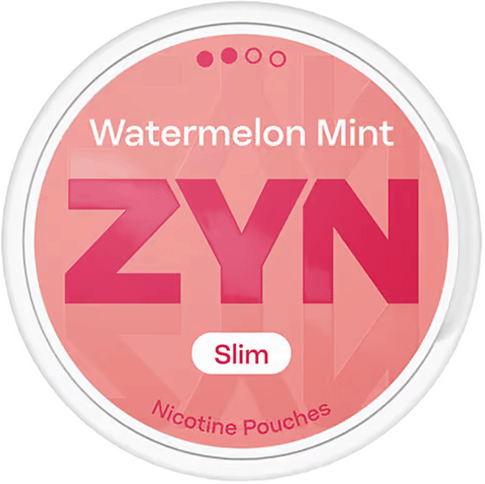
Most nicotine pouches come in a plastic can or a multi-layer foil pouch. That packaging is designed to protect the product during transport and storage on a shelf. The can or pouch usually has a seal or a tight-fitting lid that keeps air out. Once you break that seal, the clock starts ticking. The original packaging is still the best container for everyday use, as long as you close it properly after each use. Many people leave the lid loose or forget to press it down fully. That small mistake lets air circulate inside the can, speeding up the drying process. A simple habit of pressing the lid down firmly after every use can extend the usable life of your pouches by days or even weeks.
If you buy in bulk or have multiple cans open at once, you might want to transfer some pouches into a smaller, airtight container that you open less often. This reduces how many times the main can is exposed to air. Some users repurpose small glass jars or metal tins with rubber seals. Whatever you choose, make sure it is clean, dry, and free of any residual smells. Nicotine pouches can pick up odours from their surroundings, especially if they are stored near strong-smelling items like coffee, spices, or cleaning products.
Where to Store Your Pouches at Home
A cool cupboard or drawer in a room that stays at a consistent temperature is a good choice. Avoid the kitchen if it gets steamy from cooking, or the bathroom where humidity changes a lot. A bedroom or a home office usually works well. If you keep a can in your bag or pocket, be mindful of how long it stays there. Body heat can warm the can over the course of a day, especially if you are active or the weather is warm. For a day out, a small insulated pouch or a pocket that is not pressed against your body can help. For longer trips, consider a small cooler bag or a thermos-style container that keeps the temperature stable.
Freezing is not recommended. While some users try to freeze pouches to extend their life, the freeze-thaw cycle often damages the pouch structure. The moisture inside forms ice crystals that can rupture the pouch fabric, and when it thaws, the texture is never the same. The flavour also tends to degrade. Refrigeration is a gentler option if you want to slow down ageing, but even then, you risk condensation when you take the can out and bring it to room temperature. The best approach is to buy what you will use in a reasonable time and store it properly.
Signs That a Pouch Has Gone Off
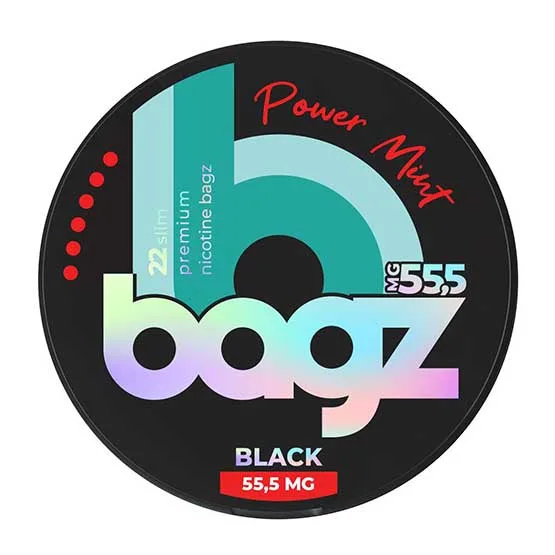
Even with good nicotine pouch storage, pouches do eventually lose their quality. The most obvious sign is a change in texture. If a pouch feels hard and brittle, or unusually soft and mushy, it has likely lost its optimal moisture balance. The flavour may become weak, bitter, or just not right. Some users notice a chemical or metallic taste that was not there when the pouch was fresh. If you see any visible mould or discolouration, throw the pouch away. The same goes for pouches that have a strong, unpleasant smell. Trust your senses. If a pouch does not feel or taste right, it is not worth using.
Long-Term Storage Tips
If you want to keep a supply for several months, the best option is to store unopened cans or pouches in a cool, dark place. Keep them away from heat sources and direct light. A basement or a closet that stays cool year-round is ideal. You can also place the cans inside a sealed plastic container with a desiccant pack to control humidity. Do not use desiccant packs directly inside the can, as they can over-dry the pouches. Place them in the outer container instead. Rotate your stock so that you use the oldest cans first. That way, nothing sits around long enough to degrade.
Some enthusiasts use vacuum sealing for long-term storage. This removes most of the air and creates a stable environment. If you go this route, be careful not to crush the pouches. A gentle vacuum setting and a rigid container work better than a soft bag. Again, keep the sealed packs in a cool, dark place. The key is consistency. Temperature swings are worse than a steady temperature that is slightly above average, because each swing pushes moisture in and out of the pouches.
Practical Advice for Daily Use
For most people, the biggest improvement comes from simple habits. Close the lid tightly after each use. Do not leave the can in a hot car or on a windowsill. Do not store it next to a radiator or in direct sunlight. If you carry a can in your pocket, take it out when you sit down for long periods. And if you notice your pouches starting to dry out faster than usual, check your storage conditions and adjust. A small change, like moving the can from a pocket to a bag, can make a noticeable difference.
Ultimately, good nicotine pouch storage is about understanding what your pouches need and giving it to them. They are not fragile, but they are sensitive. Treat them like you would a good coffee or a fine tea: keep them cool, dry, and sealed, and they will reward you with a consistent, enjoyable experience every time you open a can.